
CEFR B1(中級) | British English | 1,383 words
はじめに
今回のエッセイは、かつて1匹の猫を看取り、現在また猫と暮らしている60代の女性のおはなしです。
猫と暮らしていると、毎日は小さな「邪魔」でいっぱい。
朝早く起こされる。読んでいる本の上に座られる。きれいにしたばかりの服に毛をつけられる。仕事中のパソコンの前を堂々と横切られる。
その瞬間は少し困るのに、もしその全部が、ある日突然なくなってしまったら――私たちは、あれほど困っていたはずの出来事を、たまらなく恋しく思うのではないでしょうか。
今回のエッセイは、猫との別れを描いた悲しい物語というより、「まだ一緒にいられる今日」に目を向けるための物語です。
猫の一生は、人間の人生よりずっと速く進んでいきます。
だからこそ、長く一緒に暮らしていると、ときどき未来の別れを想像して胸が苦しくなることがあります。
でも、その未来を思うあまり、目の前にある温かな時間まで悲しみで覆ってしまうのは、少しもったいないのかもしれません。
喉を鳴らす音。床を歩く足音。ごはんを催促する声。ベッドの上の重み。
今日も家の中にそんな小さな音があるなら、それはきっと、とても幸せな「いつもの一日」です。
猫と暮らしている方は、ぜひご自分の愛猫を思い浮かべながら読んでみてください。
The Last Piece No One Takes
The Small Noises We Stop Hearing
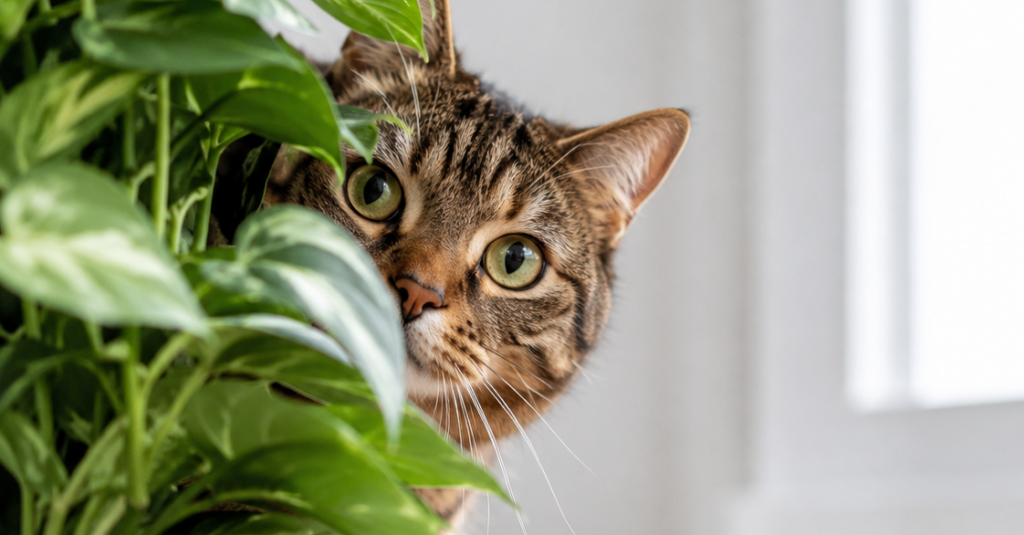
At 5:43 in the morning, my cat jumps onto the bed.
She does not arrive gently. First comes the small thud of four paws landing near my feet. Then she walks up the blanket with the confidence of someone who pays the mortgage. If I keep my eyes closed, she sits beside my pillow and begins to purr. If that does not work, one paw touches my cheek.
Breakfast, apparently, cannot wait until six.
There are mornings when I would happily sleep for another hour. There are evenings when I have just cleaned the sofa and notice fresh fur on it. There are moments when I am trying to read, work, or drink a cup of tea, and she chooses that exact time to sit on the page, the keyboard, or my lap.
These things are mildly inconvenient.
They are also the sounds and shapes of a shared life.
We rarely think of them that way while they are happening. A cat’s presence becomes part of the house so gradually that we stop noticing it. The soft movement in the hallway. The scratch of claws on a favourite chair. The little cry from the kitchen because dinner is five minutes late. The warm weight against our legs in the middle of the night.
We call these things ordinary.
One day, they will be the things we miss most.
A Life Measured in Routines
Cats are creatures of habit, but so are the people who live with them.
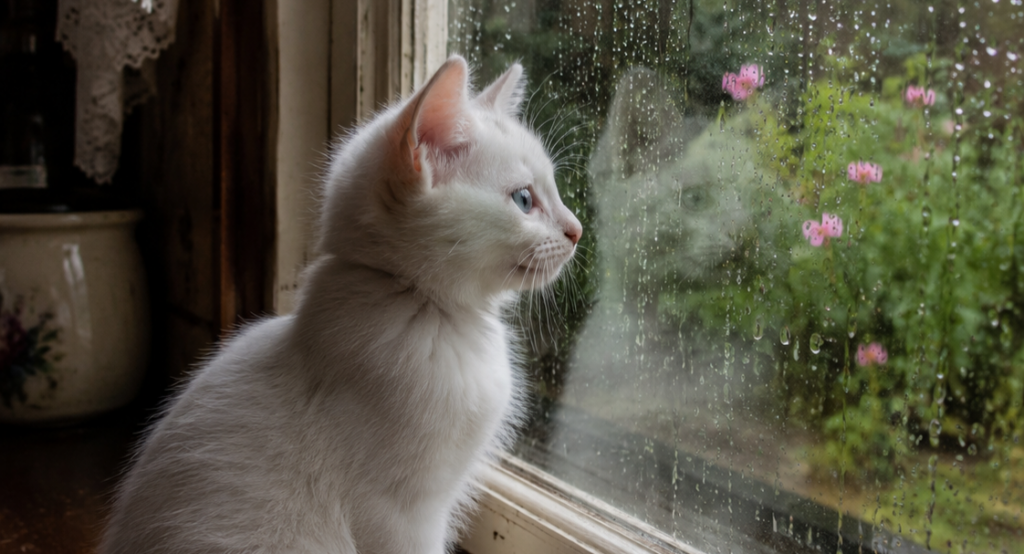
We learn each other’s schedules. My cat knows when I usually wake, when I sit at my desk, when I go to the kitchen, and when the lights are about to go out. I know which window she prefers in the afternoon, which cupboard sound brings her running, and which kind of silence means she is probably doing something she should not be doing.
None of this seems important enough to write on a calendar.
Yet these small routines are how affection often lives.
Love is not always a dramatic feeling. Sometimes it is checking the water bowl before going to bed. It is moving a cushion because the cat has decided that particular corner belongs to her. It is buying a new toy and pretending not to be disappointed when she prefers the cardboard box.
It is learning that one meow means “open the door”, another means “follow me”, and a third seems to mean nothing except “I would like to make a sound and have you acknowledge it”.
Over time, we stop thinking of the cat as an animal who happens to live in the same building. She becomes part of the way home feels.
That is why loss changes more than the number of living beings in a house.
It changes the house itself.
The Knowledge We Carry Quietly
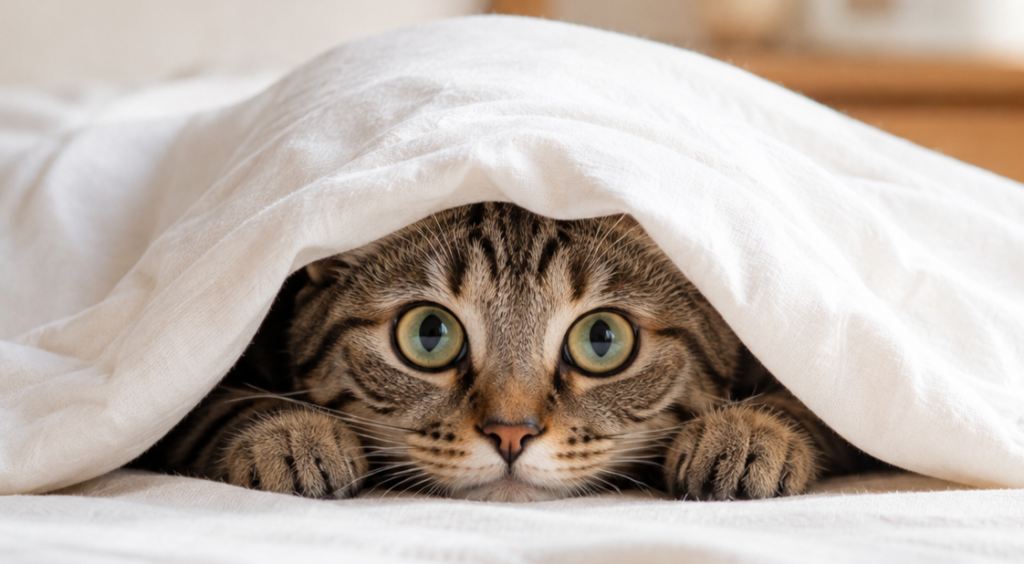
Anyone who loves an animal carries an uncomfortable piece of knowledge.
Their life will probably be shorter than ours.
We know this when we bring them home. We know it when they are young and racing across the floor. We know it when the first grey hairs appear, when the jump onto the windowsill becomes slightly more careful, or when a veterinary appointment suddenly feels more serious than it once did.
Most days, we place this knowledge somewhere at the back of our minds.
We have to.
If we spent every happy afternoon thinking about its ending, we would miss the afternoon.
I learned this only after losing my first cat.
For several weeks after she died, I kept expecting her.
That was the strangest part.
I knew she was gone. I had been there. I understood what had happened. But the body learns a life before the mind understands its absence.
I opened the front door and automatically looked towards the place where she used to wait. I stepped carefully around a spot in the hallway where she often slept. Once, I woke in the night and moved my legs slowly because, for half a second, I thought she was lying at the end of the bed.
The house was not completely silent. The refrigerator hummed. Cars passed outside. Pipes made their usual noises.
But it was too quiet.
There is a particular silence left by a creature who never spoke our language and yet filled our days with conversation.
The Cat Who Came After
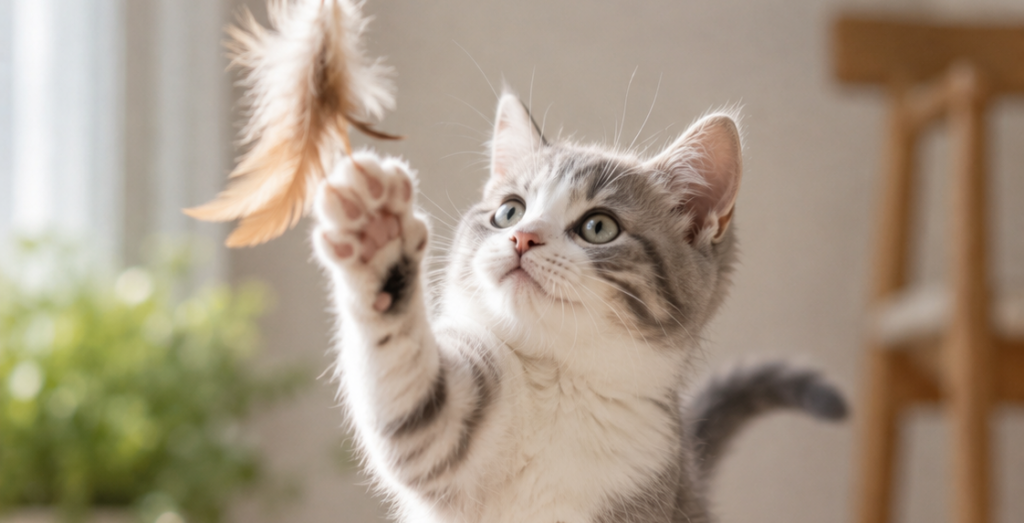
For a long time, I thought another cat would feel like a replacement.
She did not.
No cat can replace another because no two cats occupy a life in the same way.
My first cat was dignified and independent. She liked to sit nearby but rarely on me. She would watch visitors from a distance as if she were deciding whether they deserved to remain in the house.
The cat who lives with me now has almost no sense of personal space. She considers a closed bathroom door a personal insult. She sleeps across my legs, steals my chair when I stand up, and has never met a cardboard box she did not wish to investigate.
Loving her did not reduce the love I had for the cat before her.
Instead, she taught me something I wish I had understood earlier: grief and love do not cancel each other out.
The heart is not a room with one chair.
There can be a place for the animal we lost and another place for the animal sleeping beside us now.
And perhaps because I have known that terrible quiet once, I notice the present differently.
Not constantly. Not perfectly.
I still complain when I find fur on clean clothes. I still tell her that 5:43 is not a civilised breakfast time. I still become annoyed when she walks directly across something I am trying to finish.
But sometimes, in the middle of an ordinary moment, I stop.
I listen.
There is the purr.
There is the sound of paws crossing the floor.
There is the ridiculous little noise she makes before jumping onto the sofa.
Still here, I think.
She is still here.
Do Not Borrow Tomorrow’s Grief
Loving a cat means accepting a strange bargain.
We welcome into our lives someone we know we cannot keep forever.
That fact can frighten us, especially when a cat grows older. A small change in appetite can make us worry. A longer nap can make us watch more closely. We may find ourselves looking at a beloved face and suddenly imagining the day when we will no longer see it.
But there is a danger in grieving too early.
Tomorrow will ask for its own courage when it comes. We do not need to give it today as well.
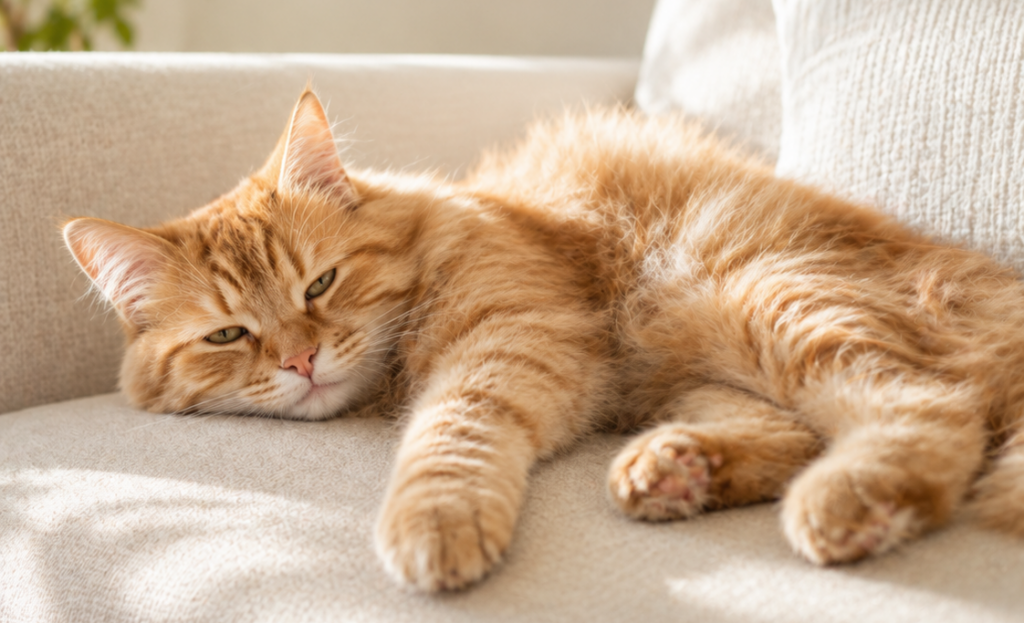
Today, perhaps, the cat is asleep in a patch of sunlight.
Today, the food bowl is empty because breakfast was eaten with enthusiasm.
Today, there are toys under the furniture, paw prints where we did not want them, and fur attached to clothes we were certain were clean.
These are not interruptions to life.
They are life.
I sometimes think that cats understand this better than we do. They do not appear to spend the afternoon worrying that the sunlight will move away from the carpet. They lie in it while it is there.
Perhaps that is one of the quiet lessons of sharing a home with them.
We cannot make a good moment permanent.
We can only be present for it.
While the House Is Still Noisy
One day, this house will be too quiet again.
I know that now.
There may be a morning when no one wakes me before the alarm. A cardboard box may remain only a cardboard box. I may open a tin in the kitchen and hear no sudden footsteps behind me.
When that day comes, I will wish for one more inconvenient morning.
One more interrupted book.
One more chair covered in fur.
One more night of waking because a small, warm body has somehow taken most of the bed.
Knowing this does not make today sad.
It makes today visible.
So when my cat climbs onto the desk and sits directly in front of the screen, I move her gently to one side. Usually, she moves back.
I sigh.
She purrs.
And for a moment, I let the unfinished work wait.
There will always be more work.
There will not always be this cat.
The house is still full of her small noises.
For now, that is enough.
いつか、この家は静かすぎる場所になる|本文和訳
聞こえなくなってしまう、小さな音
朝5時43分。猫がベッドに飛び乗ってくる。
決して遠慮がちな登場ではない。
まず、足元あたりに4本の足が着地する小さな「どすん」という音がする。
それから、まるでこの家のローンを払っているのは自分だと言わんばかりの堂々とした足取りで、布団の上をこちらへ歩いてくる。
私が目を閉じたままでいると、枕元に座って喉を鳴らし始める。それでも起きなければ、今度は前足で頬にそっと触れる。
どうやら朝ごはんは、6時まで待てないらしい。
あと1時間眠らせてほしいと思う朝もある。
きれいに掃除したばかりのソファに、もう新しい毛がついているのを見つける夜もある。
本を読もうとしているとき、仕事をしているとき、お茶を飲もうとしているときに限って、ページやキーボードや膝の上へやって来ることもある。
少し困る。
けれど、そういうもの全部が、一緒に暮らしているということなのだ。
その最中には、私たちはなかなかそう考えない。猫の存在はあまりにも自然に家の一部になっていくので、やがて意識すらしなくなる。
廊下を横切る気配。
お気に入りの椅子で爪を研ぐ音。
夕食が5分遅れただけで台所から聞こえてくる小さな抗議。
夜中、脚に触れている温かな重み。
私たちはそれを「いつものこと」と呼ぶ。
けれど、いつかいちばん恋しくなるのは、きっとそんな「いつものこと」なのだ。
習慣でできている暮らし
猫は習慣を好む生き物だと言われる。でも、猫と暮らす人間だって、ずいぶん習慣に支えられている。
猫は私がだいたい何時に起きるのか、いつ机に座るのか、いつ台所へ行くのか、そろそろ電気を消す時間なのかを知っている。
私も知っている。午後になるとどの窓辺を選ぶのか。どの戸棚を開けた音なら走ってくるのか。
そして妙に静かなときは、たいてい何か余計なことをしているということも。
どれも、カレンダーに書き込むほど大切な予定ではない。
それでも、愛情というものは、案外こういう小さな習慣の中に住んでいる。
愛はいつも、劇的な感情として現れるわけではない。
眠る前に水の器を確認すること。
猫が「ここは私の場所」と決めたから、クッションを少しずらしてやること。
新しいおもちゃを買ってきたのに、猫がそれより段ボール箱に夢中になっても、がっかりしていないふりをすること。
「ドアを開けて」の鳴き声と、「ちょっとついてきて」の鳴き声を聞き分けられるようになること。
そして、とくに意味はなさそうなのに「とりあえず鳴いたから返事をしてほしい」という声まで分かるようになること。
長く一緒に暮らしていると、猫は「同じ建物に住んでいる動物」ではなくなっていく。
その子がいること自体が、「家に帰ってきた」という感覚の一部になる。
だから、猫を失うということは、家の中にいる生き物が1匹減るというだけではない。
家そのものが、少し違う場所になってしまうのだ。
心の片隅で知っていること
動物を愛する人は、誰もが心の中に少しつらい事実を抱えている。
多くの場合、その命は私たちより短い。
家へ迎えた日から、本当は分かっている。
子猫のころ、床を全速力で走り回っているときにも。
やがて少し白い毛が混じり始めたときにも。
窓辺へ飛び乗る動きが以前より慎重になったときにも。
いつもの動物病院の診察が、以前より少し重い意味を持つようになったときにも。
それでも普段は、その事実を心の奥へしまって暮らしている。
そうしなければならないのだと思う。
幸せな午後を過ごしながら、いつもその終わりばかり考えていたら、その午後そのものを見失ってしまうから。
私がそれを本当に理解したのは、最初の猫を見送ったあとだった。
亡くなってから何週間も、私はその子が現れるのを待っていた。
それがいちばん不思議だった。
もういないことは分かっている。最後のときも一緒にいた。何が起きたのか、頭では理解している。
それなのに、身体は頭より先に「一緒にいた暮らし」を覚えている。
玄関のドアを開けると、いつも待っていた場所を無意識に見た。
廊下でよく眠っていた場所を、もうそこには誰もいないのに避けるように歩いた。
ある夜、眠りから覚めた私は、ベッドの足元に猫がいると思い、起こさないようそっと脚を動かした。
ほんの一瞬だった。
家からすべての音が消えたわけではない。
冷蔵庫は低く唸っている。
外を車が走っていく。
配管からはいつもの音がする。
それでも、その家は静かすぎた。
人間の言葉をひとことも話さなかったのに、毎日をあれほど賑やかな会話で満たしていた存在。
その子がいなくなったあとに残る静けさには、ほかの静けさとは違うものがある。
そのあとにやって来た猫
長い間、私は新しい猫を迎えたら、前の子の代わりにしてしまうような気がしていた。
でも、そうはならなかった。
どんな猫も、別の猫の代わりにはならない。
同じように人の人生の中へ入り込む猫など、1匹としていないからだ。
最初の猫は、気品があって自立していた。
私の近くに座るのは好きだったけれど、膝に乗ることはほとんどなかった。
来客があると少し離れた場所からじっと観察していた。まるで「この人を家に置いておいてよいか」を審査しているようだった。
今一緒に暮らしている猫には、「パーソナルスペース」という考えがほとんどない。
浴室のドアを閉めれば、自分への重大な侮辱だと受け取る。
私の脚を横切るように眠る。
椅子から立ち上がれば、ほんの数秒でその場所を奪う。
そして、調べずにはいられない段ボール箱というものに、いまだ出会ったことがない。
この子を愛するようになったからといって、前の猫への愛情が薄くなったわけではなかった。
むしろ、この子は私に、もっと早く知っていたかったことを教えてくれた。
悲しみと愛は、どちらか一方しか持てないものではない。
心は、椅子がひとつしか置けない小さな部屋ではないのだ。
見送った子の居場所があり、そのとなりには、今そばで眠っている子の居場所もちゃんとある。
そして私は、あの耐えがたい静けさを一度知っているからこそ、以前より「今」に気づくようになったのかもしれない。
いつもではない。
完璧でもない。
洗ったばかりの服に毛がついていれば、今でも文句を言う。
朝5時43分は、常識的な朝食時間ではありません、と猫に言い聞かせる。
仕事を終わらせようとしているその上を堂々と横切られれば、やっぱり少し腹も立つ。
けれど、ときどき、何でもない瞬間に私は手を止める。
そして耳を澄ます。
喉を鳴らす音がする。
床を歩く足音がする。
ソファへ飛び乗る直前に、なぜか必ず出す妙な小声が聞こえる。
まだいる。
そう思う。
この子は、今ここにいる。
明日の悲しみを、今日まで借りてこない
猫を愛するということは、少し不思議な約束を受け入れることでもある。
いつまでも一緒にはいられないと分かっている相手を、自分の人生へ迎え入れる。
とくに猫が年齢を重ねると、その事実が怖くなることがある。
食欲が少し落ちただけで心配になる。
いつもより長く眠っているだけで、何度も様子を見てしまう。
大好きな顔を見ながら、ある日突然、「いつかこの顔を見られなくなる」と考えてしまうこともある。
でも、まだ来ていない悲しみを、あまり早くから生き始めないほうがいい。
明日が来たら、明日のための勇気が必要になる。
だからといって、その勇気まで今日のうちに差し出す必要はない。
今日、猫は陽だまりの中で眠っているかもしれない。
今日、朝ごはんを気持ちよく食べて、器は空になっているかもしれない。
今日、家具の下にはおもちゃが転がり、ついてほしくない場所には足跡があり、絶対きれいだったはずの服には猫の毛がついている。
それは人生の邪魔をしているものではない。
それこそが、人生なのだ。
ときどき、猫はこのことを私たち人間よりよく知っているのではないかと思う。
猫は、午後の陽だまりがやがて絨毯の上から消えてしまうことを心配しているようには見えない。
そこに陽があるあいだ、ただ気持ちよさそうに横になっている。
猫と暮らすことから学べる静かな教訓のひとつは、もしかするとそれなのかもしれない。
幸せな瞬間を、永遠のものにすることはできない。
私たちにできるのは、それがここにあるあいだ、ちゃんとそこにいることだけだ。
まだ、この家が賑やかなうちに
いつか、この家はまた静かすぎる場所になる。
今の私は、それを知っている。
目覚ましより先に起こされない朝が来るかもしれない。
段ボール箱が、ただの段ボール箱のまま置かれる日が来るかもしれない。
台所で缶を開けても、背後から急いでやって来る足音が聞こえない日が来るかもしれない。
その日が来たら、きっと私は、もう一度だけ「あの少し迷惑な朝」が欲しいと思う。
もう一度、本を読む邪魔をしてほしいと思う。
もう一度、椅子を毛だらけにしてほしいと思う。
もう一度だけ、小さく温かな身体にベッドの大半を占領されて、夜中に目を覚ましたいと思う。
そのことを知っているからといって、今日が悲しくなるわけではない。
むしろ、今日という日が、よく見えるようになる。
だから猫が机に飛び乗り、画面の真正面に座ると、私はそっと横へ移動させる。
たいてい、すぐ元の場所へ戻ってくる。
私はため息をつく。
猫は喉を鳴らす。
そしてほんの少しだけ、やりかけの仕事を待たせる。
仕事なら、これから先もいくらでもある。
でも、この猫がずっといるわけではない。
今、この家には、この子の小さな音があふれている。
今は、それで十分だ。
おわりに
このエッセイを読み終えたあと、いちばん心に残ったのは「There will always be more work. There will not always be this cat.」という感覚でした。
やることは毎日あります。
仕事も家事も、明日の予定もあります。
猫に邪魔をされて、「今は忙しいのに」と思うことだってあるでしょう。
でも、何年か先に振り返ったとき、私たちが恋しく思い出すのは、予定どおりに仕事が進んだ静かな夜よりも、画面の前に猫が座り込んで何も見えなくなった夜なのかもしれません。
猫と暮らす時間には、どうしても終わりがあります。
それは考えるだけでもつらいことです。
けれど、別れがあるから今を悲しむのではなく、別れがあるからこそ「今日ここにいる」という事実を大切にする。
そんな受け止め方もできるのだと思います。
未来の悲しみを、今日まで先取りしなくていい。
今日、元気にごはんを食べていること。
今日、いつもの場所で眠っていること。
今日、名前を呼べば耳だけ動かしてくれること。
それだけで十分な日もあります。
もし今、近くに愛猫がいるなら、読み終わったあと少しだけ顔を見てみてください。
抱っこが好きな子なら抱いてあげてもいいし、触られるのが苦手な子なら、ただ同じ部屋で過ごすだけでもいい。
猫にとっても私たちにとっても、「一緒にいる」という時間は、案外静かで、そしてとても大きな贈り物なのだと思います。



 | British English | 1,383 words はじめに 今回のエッセイは、かつて1匹の猫を看取り、現在また猫と)